NFPA 96 Compliance: The Real Cost of Cutting Corners in Kitchen Exhaust Cleaning
I have walked into dozens of commercial kitchens where the staff prided themselves on spotless countertops and gleaming stovetops. Yet when I looked up at the hood filters, I could see the grease build-up dripping like slow icicles. That is the moment when NFPA 96 compliance stops being a paperwork exercise and becomes a life-or-death matter. Over the years, I have learned that meeting the standard is not just about passing an NFPA 96 inspection. It is about understanding the physics of fire, the chemistry of grease, and the economics of running a kitchen that stays open.
What NFPA 96 Actually Requires
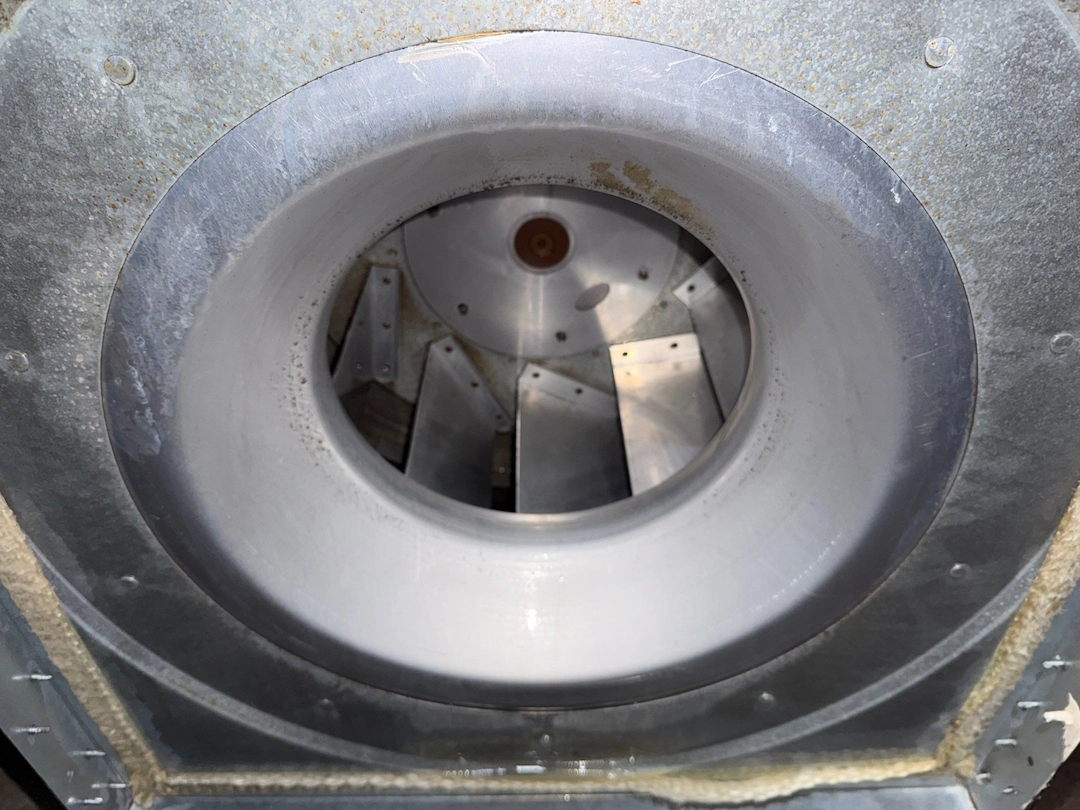
NFPA 96 is the fire code that governs the design, installation, operation, and maintenance of commercial kitchen exhaust systems. The standard covers everything from the hood itself to the ductwork and the exhaust fans on the roof. The most misunderstood part is the Bare Metal Standard. That phrase means that after cleaning, all interior surfaces of the hood, duct, and fan must be free of any visible grease or residue. No film, no haze, no tackiness. The surface must look and feel like bare metal. I have seen inspectors run a white glove through a duct elbow. If the glove comes back with any color, that is a failure.
The standard also requires that cleaning intervals match the volume and type of cooking. A 24-hour diner that fries chicken all day needs a different schedule than a bakery that mostly bakes bread. The fire code does not give you a one-size-fits-all calendar. It expects you to use judgment. That is where many operators slip. They set a cleaning schedule once and never revisit it, even when their menu changes or their volume grows.
Why Grease Build-Up Is So Dangerous
Grease is a hydrocarbon that, when heated repeatedly, becomes more volatile. It does not just sit there harmless. It oxidizes, it polymerizes, and it forms a hard, tacky layer that is extremely combustible. In a duct system, that layer can ignite from a single spark thrown by a cooking surface. Once the grease inside the duct catches, the fire travels fast. The duct acts like a chimney, pulling flames upward and spreading heat to other parts of the building. I have seen photos of restaurants where the only damage was inside the ductwork, yet the fire suppression systems had to drop and the business was shut for weeks.
That is why fire suppression systems like the Ansul system, which uses wet chemical agents, are required by UL 300 standards. But even the best fire suppression system cannot stop a fire that starts inside a duct that has never been cleaned. The suppression heads are usually located in the hood, not deep in the duct. If the duct is packed with grease, the fire can travel past the heads and keep burning. NFPA 96 compliance addresses this by mandating regular cleaning of the entire exhaust path, not just the visible parts.
The Role of a Certified Exhaust Cleaner
Not every hood cleaning company is qualified to meet the Bare Metal Standard. A certified exhaust cleaner has the training, the tools, and the documentation practices to prove that the work was done correctly. The certification is usually through an organization like the International Kitchen Exhaust Cleaning Association or a similar body. I have worked with cleaners who charge a low price but skip the ductwork, only cleaning the hood and the filters. That is not cleaning. That is theater.
A proper cleaning involves scraping and degreasing every interior surface of the hood, removing and cleaning each hood filter, scrubbing the entire duct run from the hood to the exhaust fan, and then cleaning the fan blades and housing. If the fan is on the roof, the cleaner must access it safely, often in bad weather. The job is physical and dirty, and it takes time. A kitchen manager who pushes the cleaner to finish in two hours is probably getting shortchanged. The cleaner may leave behind a layer of grease that will harden before the next inspection.
Documentation and NFPA 96 Inspection
One of the most overlooked parts of NFPA 96 compliance is the paperwork. The standard requires that each cleaning be documented with a report that includes the date, the areas cleaned, the methods used, and the name of the person who did the work. Many jurisdictions also require a sticker on the hood that shows the last cleaning date and the next scheduled cleaning. This documentation is what the fire marshal looks at during an NFPA 96 inspection. If the paperwork is missing or inconsistent, the inspector may assume the cleaning was not done properly.
I have seen kitchens that had perfect cleaning records but still failed an inspection because the duct had a hidden grease pocket that the cleaner missed. The inspector does not only check the paperwork. They also look at the physical condition of the system. If they see grease on the duct seams or around the exhaust fan, they will flag it. The cost of a failed inspection can be a fine, a shutdown order, or an increase in insurance premiums. Some insurance companies now require proof of NFPA 96 compliance before they will issue a policy, and they may deny a claim if a fire is traced back to poor maintenance.
Common Mistakes That Lead to Violations
Over the years, I have noticed several patterns that keep coming up in kitchens that struggle with facility compliance. One is the belief that hood filters catch all the grease. They do not. Filters capture a portion of the grease, but a significant amount still passes through and deposits in the duct. Another mistake is cleaning only the hood and ignoring the exhaust fan. A greasy fan is a fire hazard and also reduces airflow, which makes the kitchen hotter and less efficient. Some operators also assume that a new kitchen does not need cleaning right away. That is false. Even new ductwork can accumulate grease quickly, especially if the kitchen does high-volume frying.
There is also the issue of using the wrong cleaning chemicals. Some degreasers are not strong enough to remove polymerized grease, and some are too aggressive and damage the metal surface, which then gives grease a rough surface to cling to. The Bare Metal Standard requires that the metal be left clean and smooth, not etched or pitted. A certified exhaust cleaner knows which chemicals to use and which to avoid.

Balancing Cost and Safety
The biggest pushback I hear from kitchen owners is about the cost. NFPA 96 compliance is not cheap. A thorough cleaning of a medium-sized restaurant can cost several hundred dollars per visit, and kitchens that cook heavily may need cleaning every month. But the cost of a fire is much higher. I have seen a small grease fire cause $50,000 in damage and shut a restaurant down for three weeks. The lost revenue alone pays for years of cleanings. There is also the human cost. Kitchen fires can injure staff and customers. No amount of money is worth that risk.
Some operators try to reduce costs by doing the cleaning in house. I have seen this work in very small kitchens with low volume, but it is risky. If the in house cleaner does not know the code or the proper techniques, they can miss critical areas. The NFPA 96 standard is specific. It requires that all components of the exhaust system be cleaned to bare metal, and that includes parts that are hard to reach. A person who has not been trained may not even know those parts exist. I have seen in house cleaners clean the hood and the filters but never touch the duct or the fan. That is not compliance.
Practical Steps for Maintaining Compliance
Start by hiring a certified exhaust cleaner who can show you proof of their training and insurance. Ask for references from other restaurants, especially ones that do the same type of cooking you do. Have the cleaner explain what they will do and where they will go. Walk through the kitchen with them and point out any changes you have made to the layout or the menu since the last cleaning.
Set a cleaning schedule based on your actual cooking volume, not on what the previous owner did. If you add a fryer or start serving a new fried item, increase the frequency. Keep a log of every cleaning, including the date, the cleaner's name, and any notes about problem areas. Store that log where the fire marshal can see it easily. Some kitchens keep it in a binder near the hood.
Also, inspect the system yourself between cleanings. Look at the hood filters. If they look greasy, they need to be cleaned or replaced. Check the duct access panels. If you see grease around the seams, call the cleaner. A quick visual check once a week can catch problems before they become violations. I have seen kitchen managers who do a five-minute walkthrough every Monday morning and note anything unusual. That habit alone cuts down on surprises during inspections.
Finally, educate your staff. The line cooks and dishwashers should know that grease build-up is dangerous. They should understand why the hood filters need to be cleaned regularly and why they should not use the exhaust system as a shelf for tools or pans. When the whole team is aware of kitchen fire safety, compliance becomes part of the culture, not just a chore that the owner handles once a month.

The Bigger Picture
NFPA 96 compliance is not just about passing an inspection. It is about fire risk reduction across the whole facility. A clean exhaust system reduces the chance of a fire starting, and it also helps the fire suppression systems work as designed. If a fire does break out, a clean duct will not feed it. That buys time for the suppression system to activate and for the fire department to arrive. I have seen the difference in kitchens that take compliance seriously and those that treat it as a checkbox. The ones that take it seriously sleep better at night.
Organizations like the Culinary Institute of America teach their students about kitchen fire safety early, because they know that habits formed in school carry into the real world. Companies like Kitchen Safety Solutions offer training and consulting to help operators understand the code. The resources are out there. The question is whether you choose to use them.
I have been in this business long enough to know that a clean kitchen is not just a matter of pride. It is a matter of survival. The grease you cannot see is the grease that can kill your business. NFPA 96 compliance is the tool that helps you see it and remove it before it becomes a problem. Treat it that way, and you will not only pass inspections. You will run a safer, more reliable kitchen.